


Rethinking global partnerships for women’s health
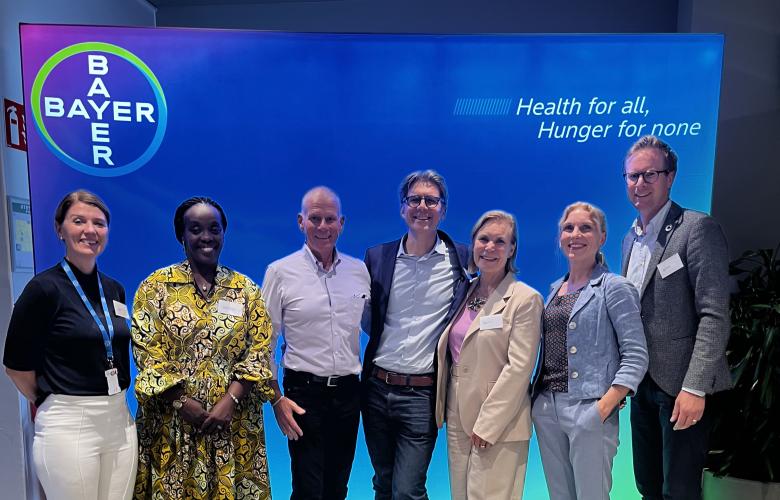
“Business as usual” will not be enough to advance women’s health globally. This was the defining message from the third Dinner Conversation on International Politics and Diplomacy for Health, held on 1 September 2026 in Stockholm, Sweden. Bringing together representatives from government, academia, business and civil society, the discussion focused on how international health partnerships can become more equitable, locally-led and action-oriented.
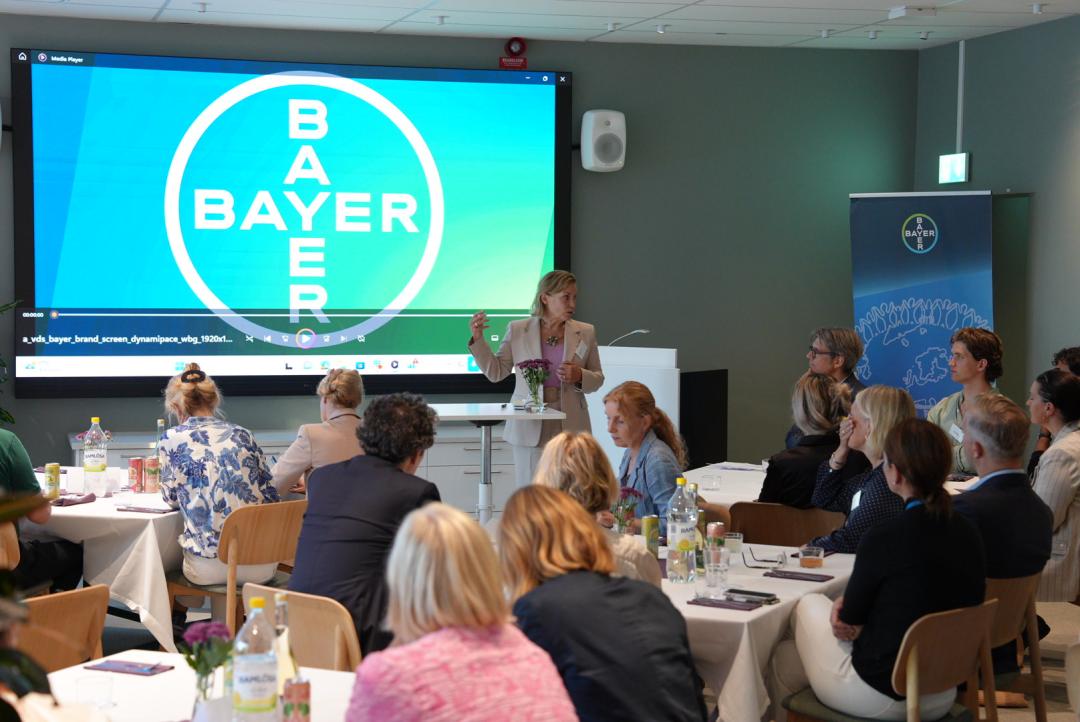
Participants stressed the need to safeguard sexual and reproductive health and rights (SRHR) as a core pillar of women’s health. This requires maintaining access to contraception and essential services, particularly within fragile and conflict-affected settings. Highlighting Sweden’s long-standing diplomatic commitment to SRHR, attendees noted that this provides a foundation for building broader alliances and keep women’s health high on the global political agenda.
At the same time, lasting progress extends beyond access to services. It is shaped by broader social and structural systems. Attendees highlighted the necessity of reliable supply chains, consistent access to essential medicines, adequate health infrastructure, and community-driven action against gender-based violence. Stronger research and evidence are needed to identify critical gaps and shape long-term policy investments.
A reoccurring theme was to align global efforts with shift towards more equitable and country-led international cooperation reflected in the Accra Reset. Participants urged international partners to step back from top-down approaches and instead support nations in setting their own health priorities and deciding where capital is needed most.
While attendees valued creating shared spaces for government, academia, business, and civil society, they stressed that bringing people into the same room is only a starting point. Effective partnerships must actively incubate ideas, share technical expertise, and grant civil society a meaningful seat at the table to shape both priorities and solutions.
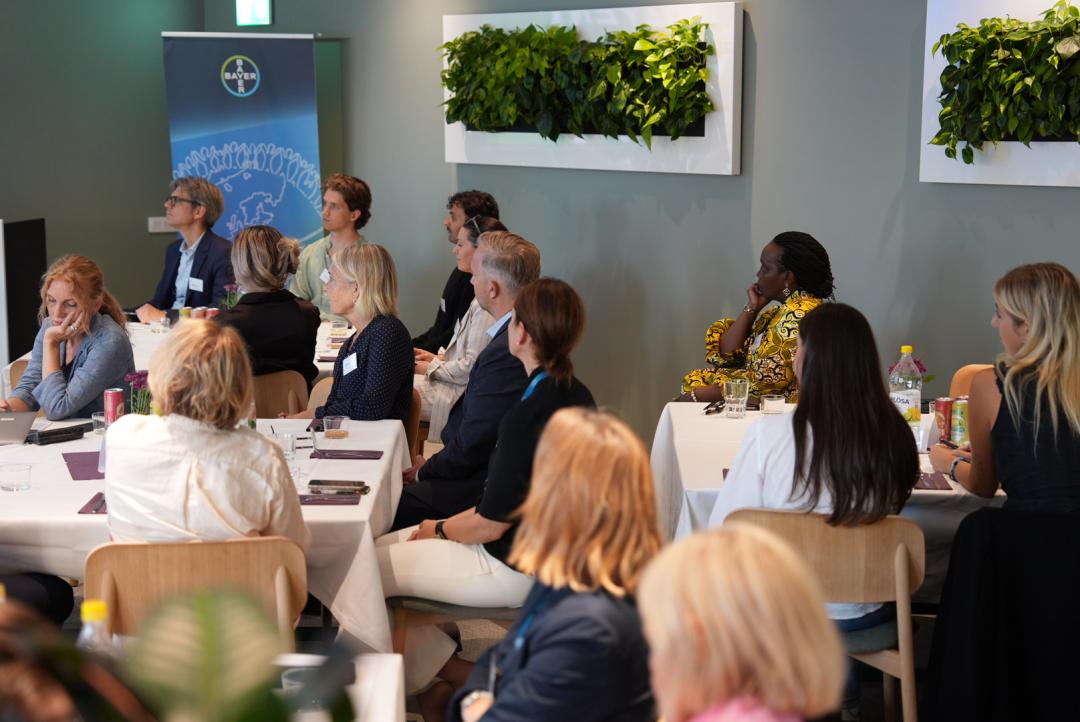
To sustain these efforts, participants advocated for a shift in how decision-makers view women's health: framing it as a strategic investment rather than a financial cost. Attendees suggested that deeper engagement with finance ministries and policy-makers could help demonstrate the societal returns of health funding, positioning women’s health as a driver of economic resilience, social equity, and sustainable development.
About the Dinner Conversation
The event was organised by the International Politics and Diplomacy for Health collaboration between Karolinska Institutet and the Stockholm School of Economics, together with Bayer Sweden. The initiative convenes leaders across sectors to foster dialogue and modernise cooperation in health.